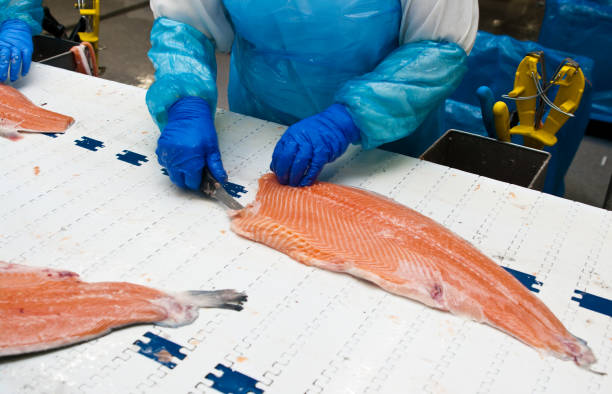
Global demand for seafood is expanding, and conference global standards has
actually become vital for the market. Fish processing today isn't just about
cutting and product packaging; it includes rigorous quality controls, hygiene
procedures, and innovative modern technologies. Companies are investing in
innovative batching systems and automated equipment to ensure every item meets
security and quality benchmarks. By integrating technology with competent human
oversight, modern-day seafood processing facilities can supply consistent,
premium products to markets worldwide.
Maintaining Health and Safety And Security Criteria
One of one of the most crucial elements of conference global criteria in batching
system is maintaining hygiene. Facilities comply with stringent methods to
prevent contamination, including temperature-controlled storage, constant
cleanliness of tools, and normal personnel training. Automated systems help in
reducing human contact with raw products, decreasing the threat of microbial
contamination. From processing floorings to packaging areas, every action is
carefully kept track of to follow global food safety and security laws, making
certain that seafood gets to customers securely and reliably.
Take Advantage Of Advanced Batching Systems
Modern batching systems are central to reliable and precise seafood
processing. These systems allow processors to deal with multiple components or
products concurrently, making certain uniformity in dimension, weight, and
quality. Automated batching reduces human mistake and accelerate production
without jeopardizing precision. With incorporated sensors and real-time
surveillance, centers can track every batch, assuring harmony. This level of
control is essential for companies intending to meet global standards, as
consistency straight affects both item quality and client complete
satisfaction.
Quality Assurance and Evaluation
Satisfying global standards calls for strenuous quality control throughout
the fish processing process. Knowledgeable assessors and advanced equipments
collaborate to detect blemishes, step quality, and assess product weight and
texture. From filleting to packaging, constant monitoring makes certain only
high-quality seafood gets to worldwide markets. Several facilities use automated
scanning systems that promptly determine flaws, while human staff handle tasks
requiring judgment and experience. Incorporating technology and experience
ensures compliance with rigorous international regulations and boosts customer
confidence.
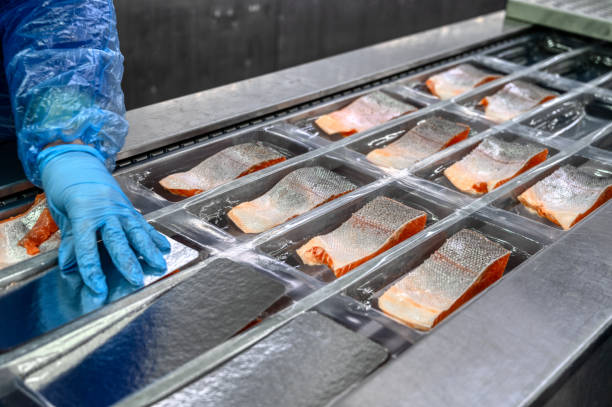
Traceability and Documents
Traceability is a key need in seafood processing to meet global requirements.
Modern facilities execute systems to track fish from the moment it is caught to
its last packaged kind. Thorough paperwork includes details regarding species,
beginning, processing days, and storage space conditions. These documents are
important for regulatory conformity and help companies react swiftly to any
remembers or safety and security concerns. By using digital tracking and
integrated batching systems, cpus can preserve openness and responsibility,
which are crucial for exporting to global markets.
Sustainability as well as Honest Practices
International standards significantly emphasize sustainability and moral
methods in fish processing. Companies should resource fish sensibly, minimize
waste, and decrease environmental effect. Automated batching systems and precise
portioning minimize over-processing and leftover waste. In addition, centers
carry out energy-efficient equipment and monitor resource usage to guarantee
environment-friendly procedures. By integrating sustainable sourcing with
sophisticated technology, seafood processors not just satisfy global guidelines
but likewise attract eco aware consumers worldwide.
Final thought
Attaining worldwide criteria in fish processing calls for a blend of technology, experience, and strict adherence to safety and quality procedures. Automated batching systems, strenuous hygiene actions, quality examinations, traceability, and lasting methods all contribute to constant, top notch seafood processing. As the market advances, incorporating these technologies guarantees that companies can compete in the global market while maintaining customer trust and satisfaction. The future of seafood
processing hinges on this equilibrium in between precision technology and competent human oversight.
Коментарі
Дописати коментар